Civil Engineering
Designing Infrastructure. Shaping Tomorrow.
Civil Engineering is the backbone of modern society, shaping infrastructure that supports everyday life. From buildings and bridges to transportation and sustainable urban development, the department prepares students to design, construct, and manage resilient and efficient infrastructure systems.
About the Program
Civil Engineering, considered as the oldest engineering discipline, is involved in the improvement of the basic needs of human civilization. It is an exciting career because at the end of the day one can see the results of the work, whether it is a completed bridge, a high-rise building, a subway station, or a hydroelectric dam which gives a lot of personal satisfaction. It is the branch with a lot of diversity from structural engineering, environmental engineering, hydraulics engineering, transportation engineering, geotechnical engineering.
The aim of the Department is to create a group of wise, well skilled engineers who can fulfil the responsibilities of the present and future generation. The Department also encourages its students to engage in extra-curricular activities essential for development, nurturing of team spirit, and developing organizational skills. Besides providing high quality teaching and instructions at undergraduate level, students are also exposed to excellent technical advisory and supports through Al Adrak Group, which is our parent company. The students have access to fully functional CAD lab and well equipped strength of materials lab and survey lab.
HOD's Message
“Civil Engineering shapes the world we live in. Our department blends strong academic foundations with practical exposure, encouraging innovation, sustainability, and professional excellence to prepare students for impactful careers in infrastructure and development.”
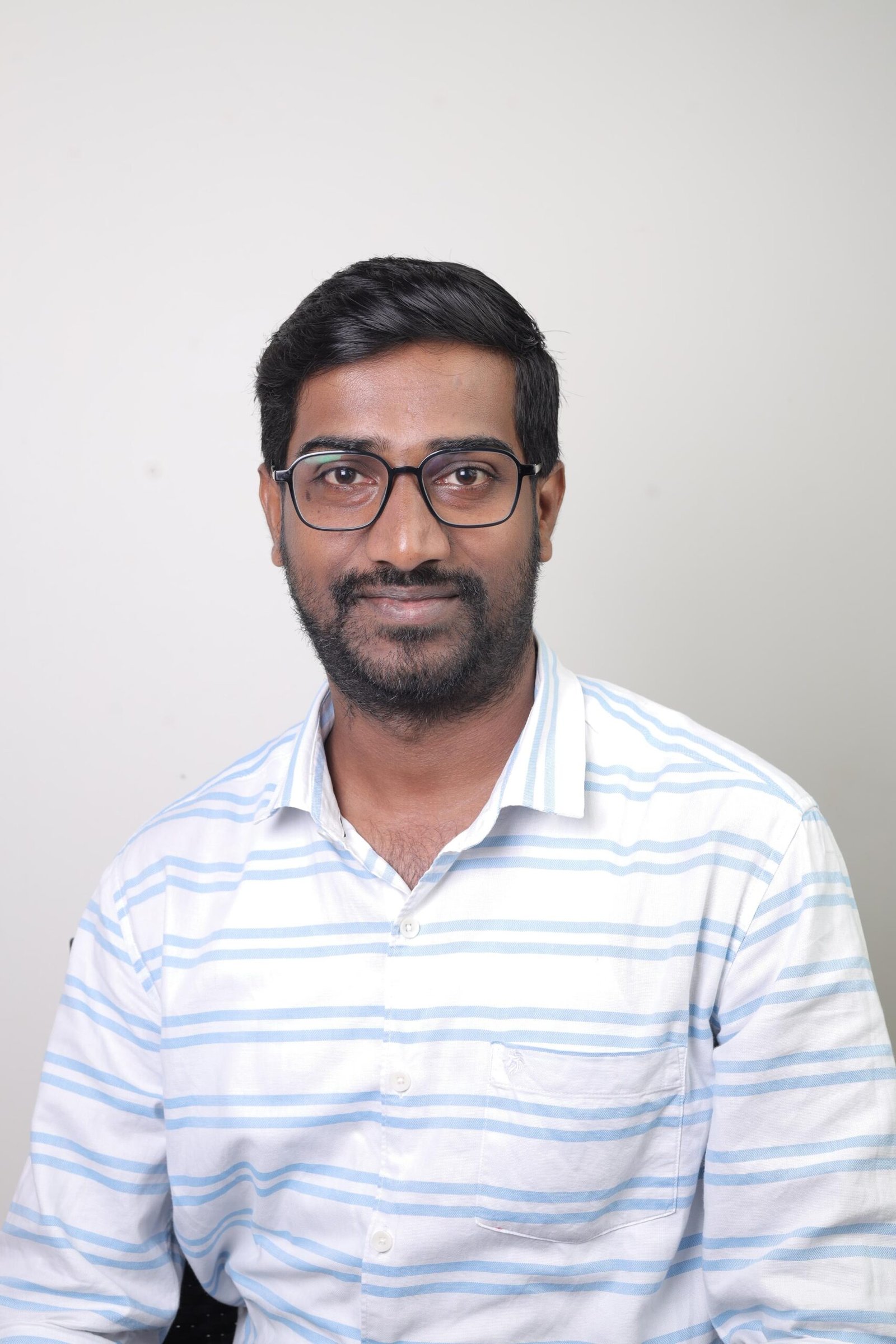
Alex Tharun P J
Head of the Department
Our Vision & Mission
Vision:
“To be a center of excellence in Civil Engineering education by promoting innovation, research, and sustainable infrastructure practices, and by producing globally competent professionals who contribute responsibly to society and the built environment.”
Mission:
Provide high-quality education through a blend of theoretical knowledge and practical experience.
Encourage research, innovation, and entrepreneurship among students and faculty.
Promote ethical and socially responsible engineering practices.
Foster partnerships with industry and academia for holistic development of students.
Faculty & Technical Staff
The Civil Engineering Department is supported by a team of qualified and experienced faculty members dedicated to academic excellence. They focus on strong fundamentals in structural engineering, geotechnical engineering, transportation, environmental engineering, and water resources through outcome-based education and modern teaching methodologies.
Faculty members actively engage in teaching, research, consultancy, and mentoring activities. Through project-based learning, site visits, technical workshops, and industry interactions, they encourage students to develop analytical skills, problem-solving abilities, and professional ethics essential for civil engineering practice.
The department is strengthened by skilled technical staff who play a crucial role in laboratory maintenance and practical training. Their continuous support ensures the proper functioning of equipment, safety compliance, and effective hands-on learning, providing students with a productive and well-equipped academic environment.

Alex Tharun P J
Assistant Professor & HOD
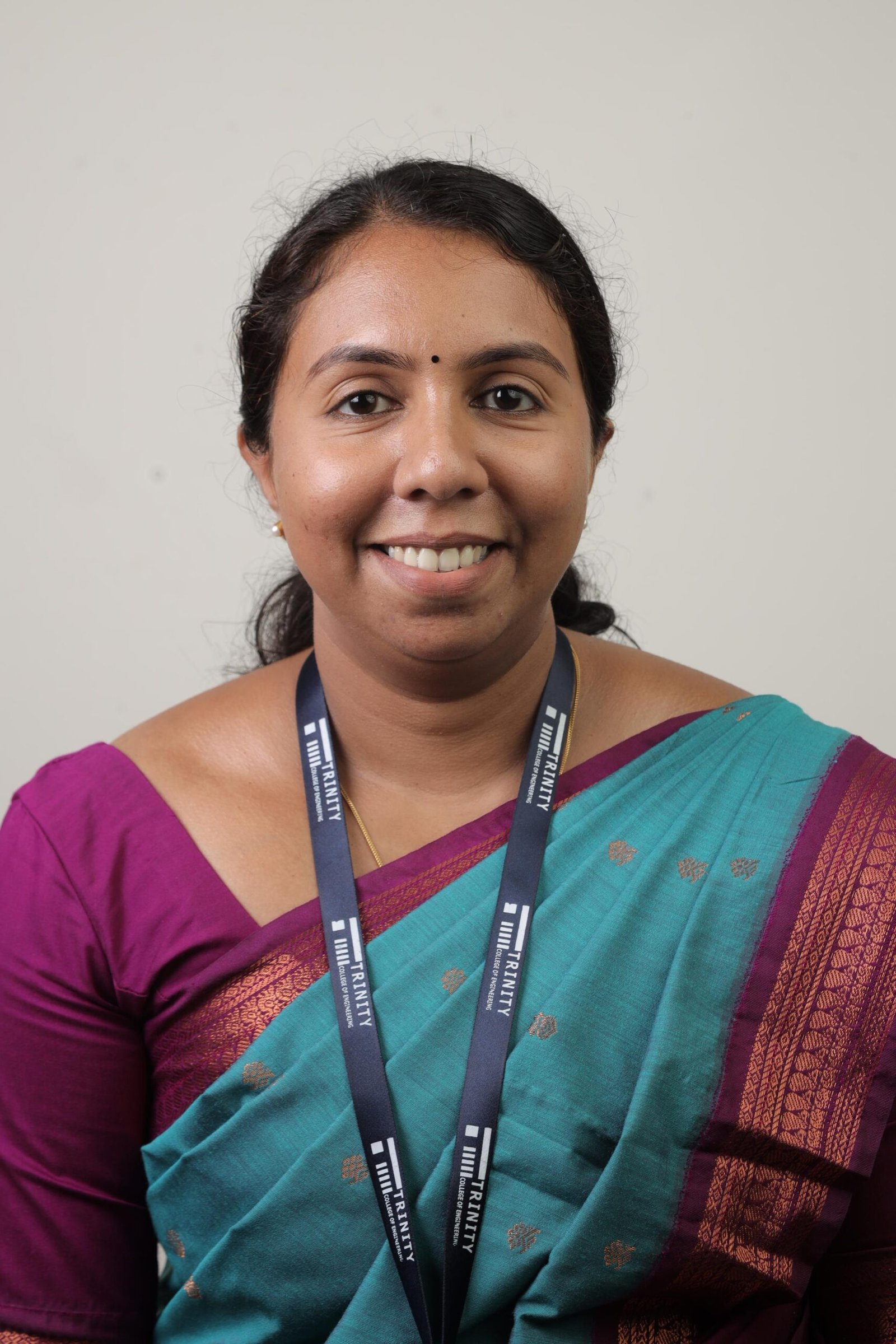
Mrs. Hima S
Assistant Professor

Mrs. Akhila D Rajesh
Assistant Professor
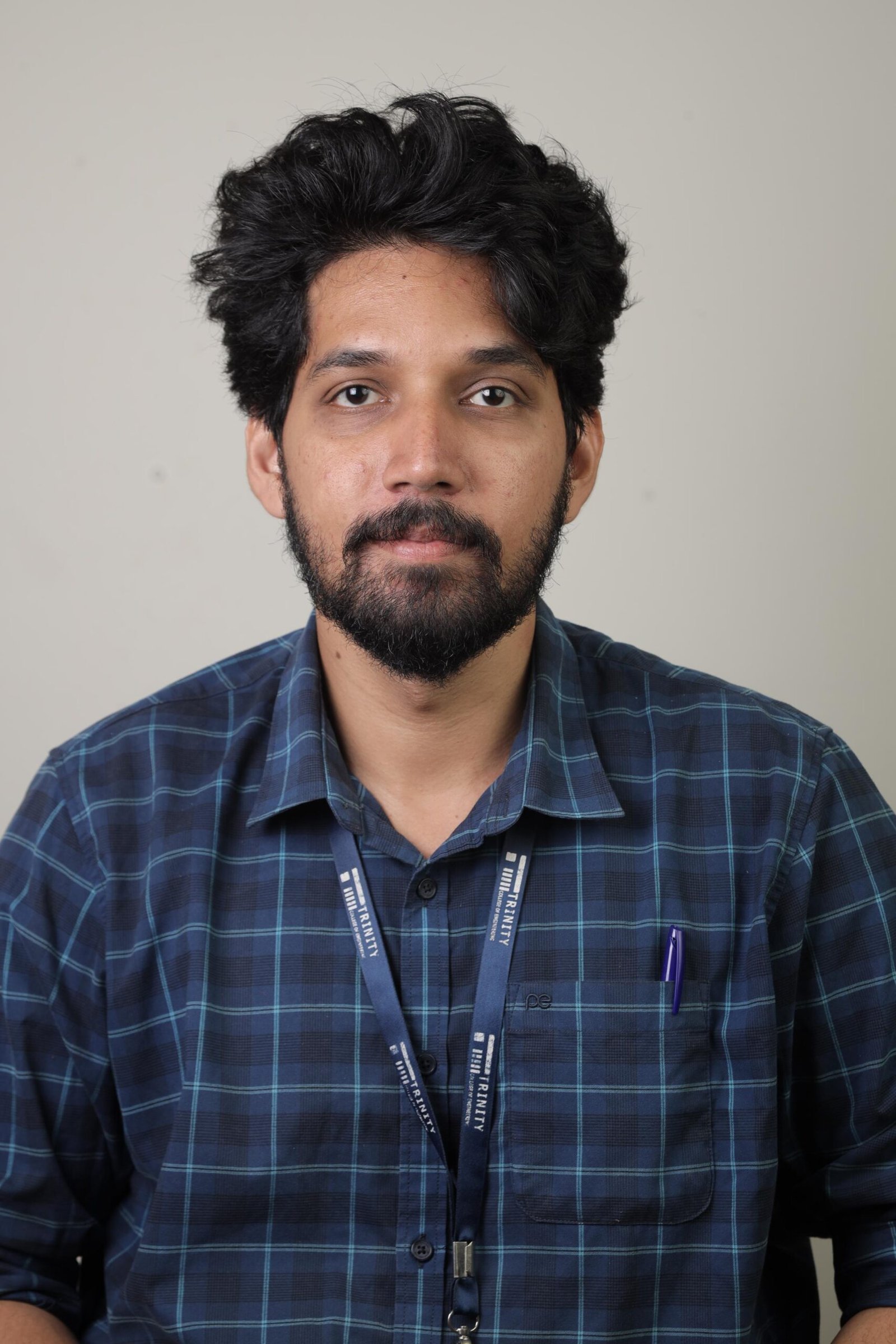
Mr. Arjun S
Assistant Professor
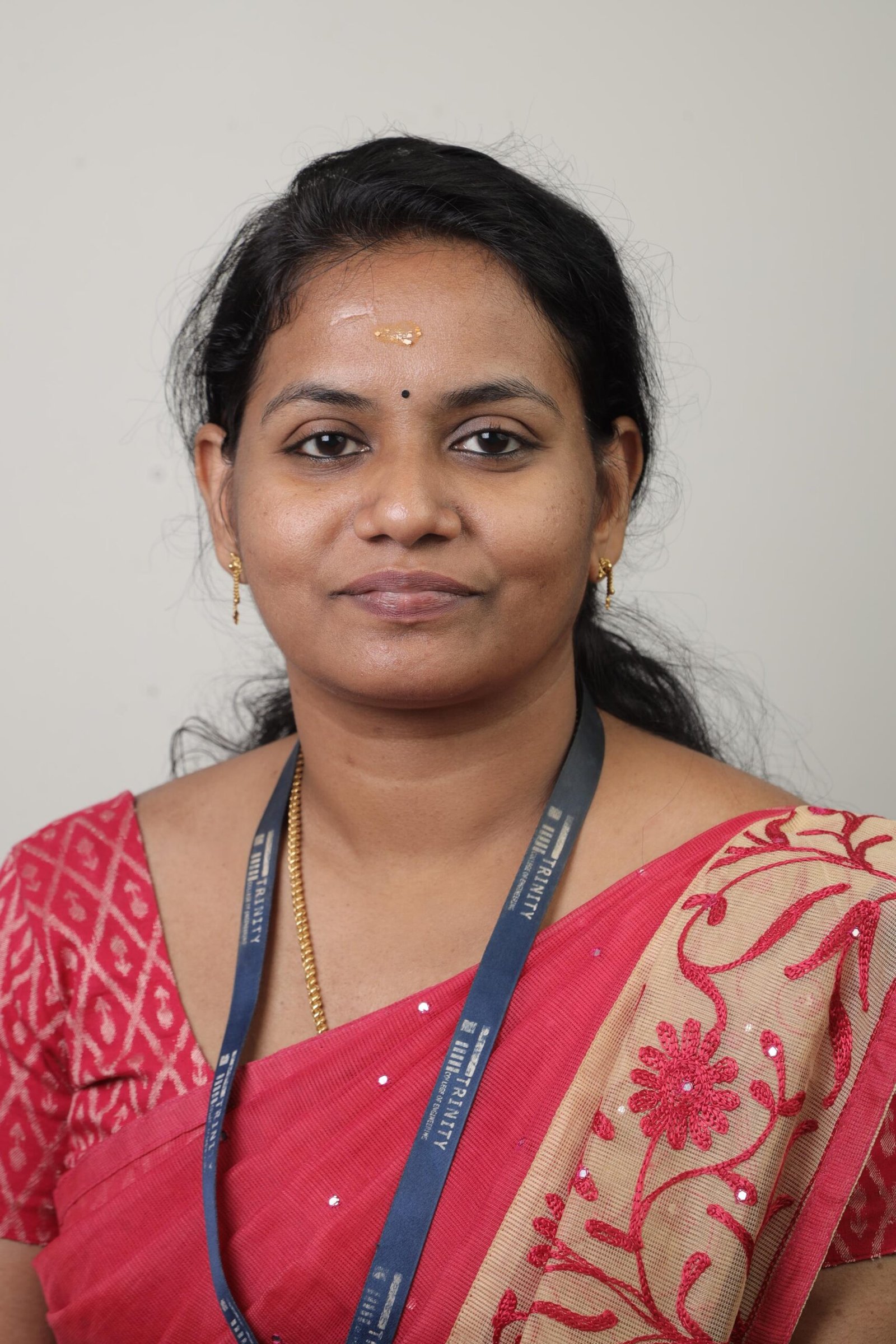
Mrs.
Assistant Professor
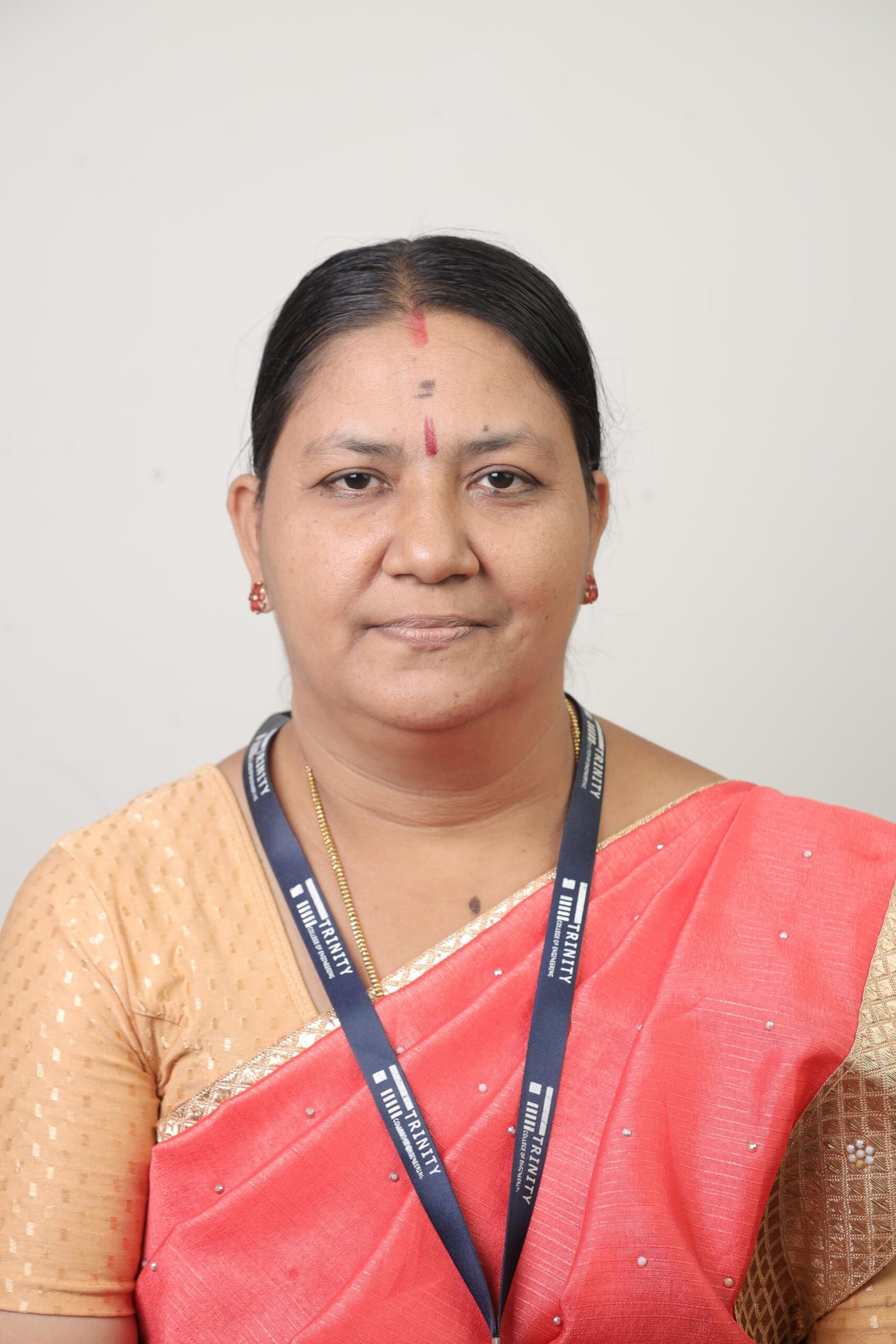
Mrs.
Assistant Professor
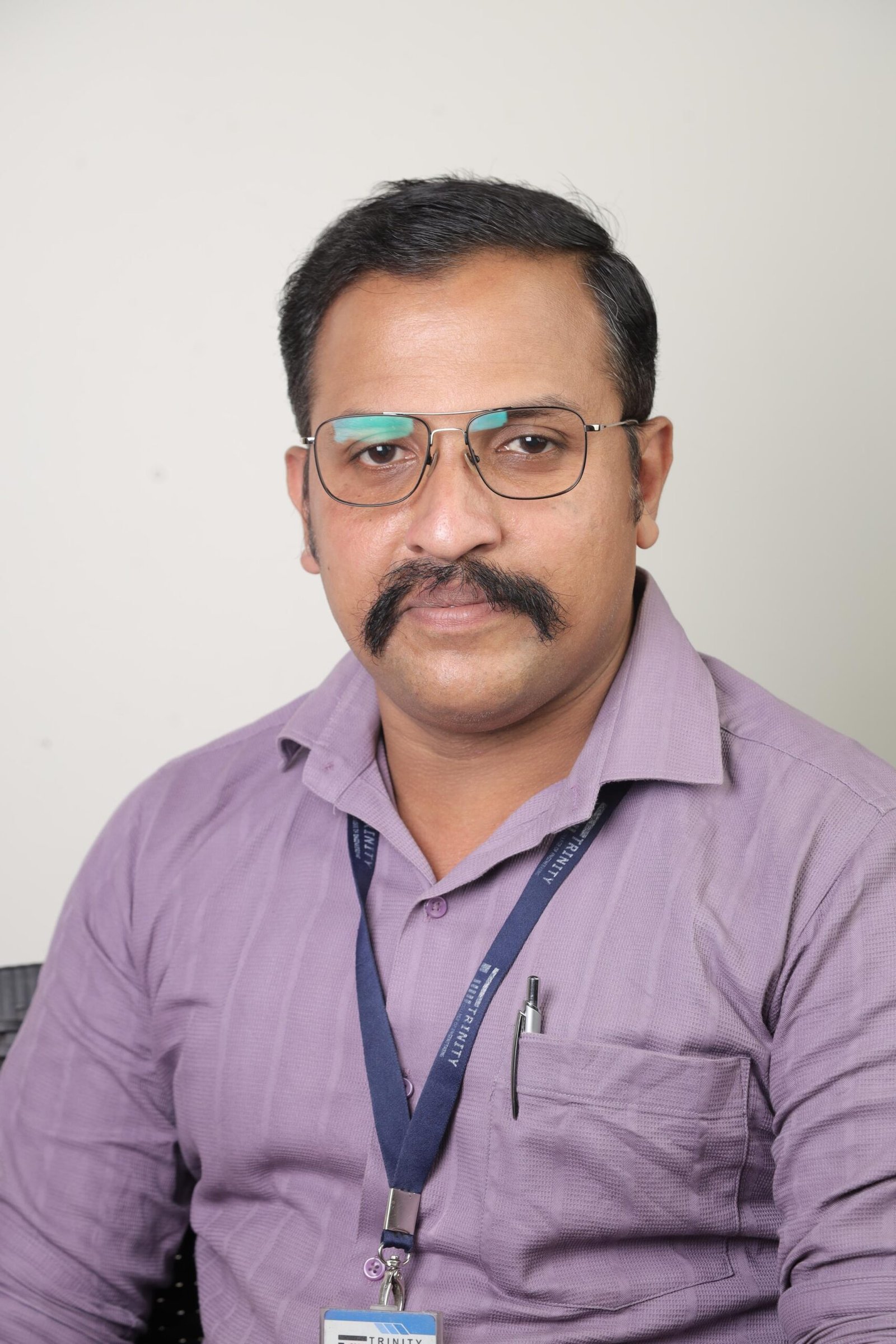
Mr.
Assistant Professor
Laboratories & Facilities
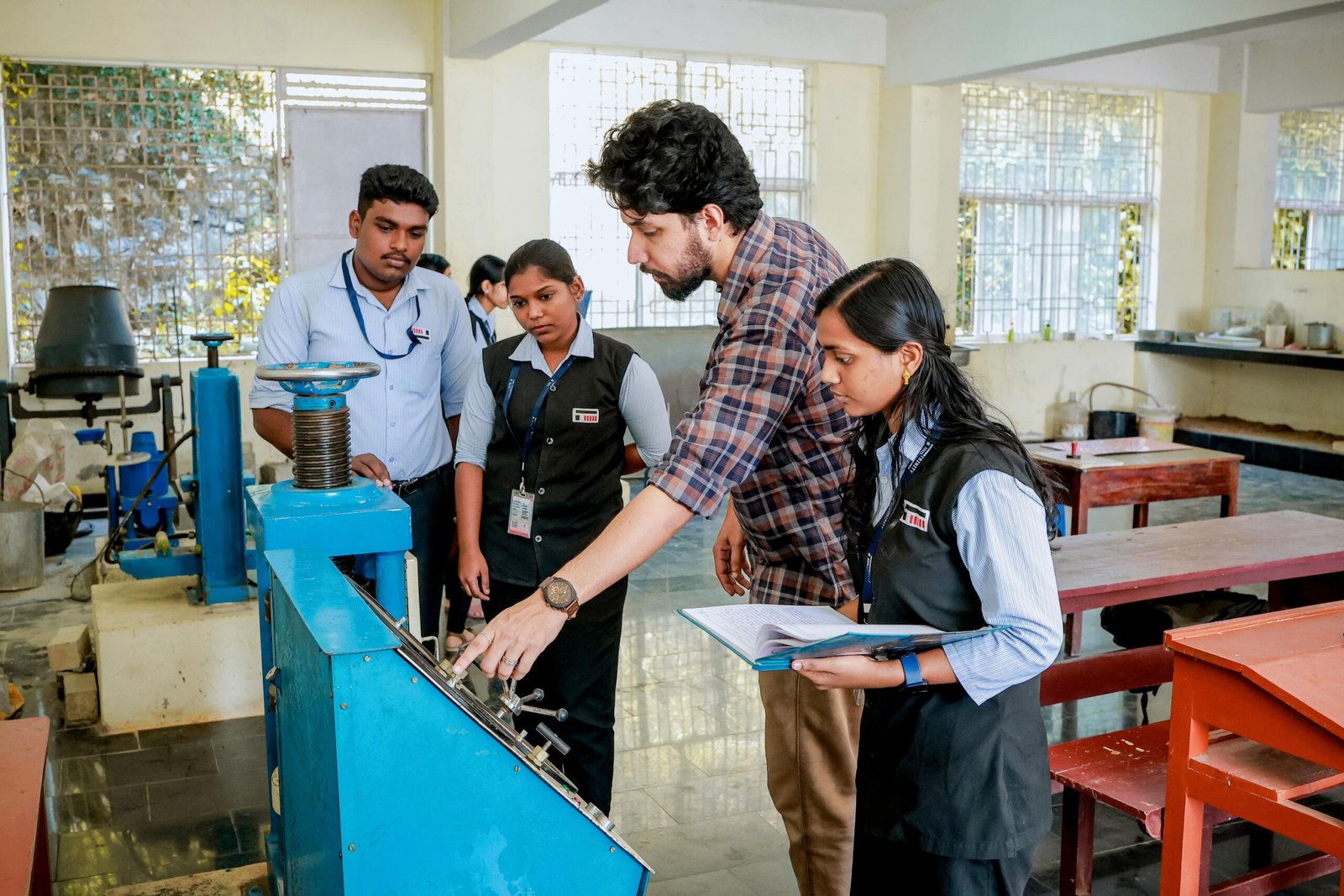
The Civil Engineering Department is equipped with well-established laboratories and modern facilities to support practical learning and applied research. These laboratories provide hands-on exposure to material testing, soil analysis, structural behavior, environmental engineering, and surveying techniques, bridging the gap between theory and real-world construction practices.

Concrete Lab
The Concrete Lab offers a comprehensive environment for students to master the properties and behavior of one of the world’s most widely used construction materials. Through hands-on testing of cement, aggregates, and fresh concrete, learners explore workability, setting times, and the critical design of concrete mixes to meet specific strength requirements. By performing destructive tests on hardened concrete specimens, students gain the practical insight necessary to ensure structural durability and quality control in large-scale infrastructure projects.
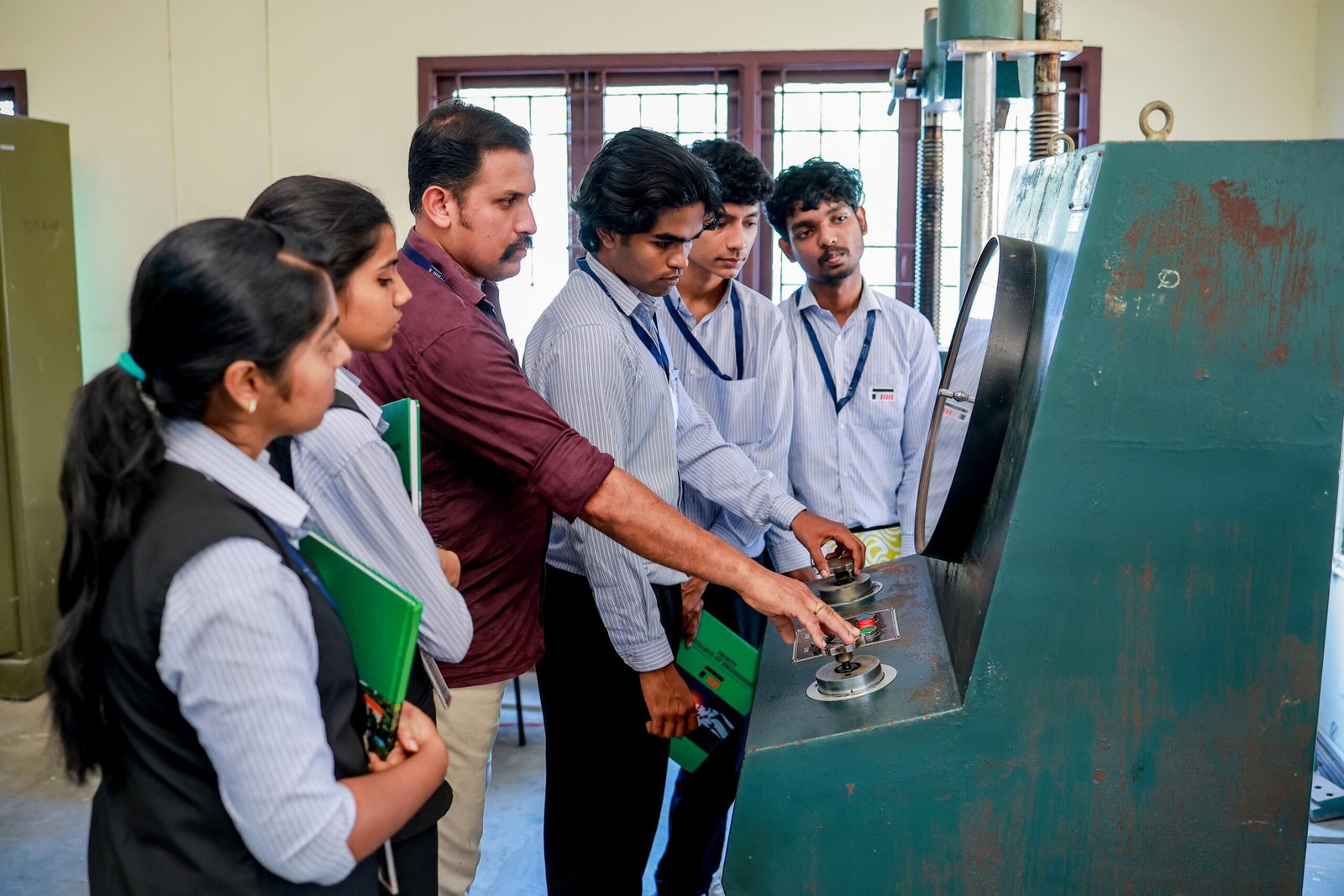
Strength of materials Lab
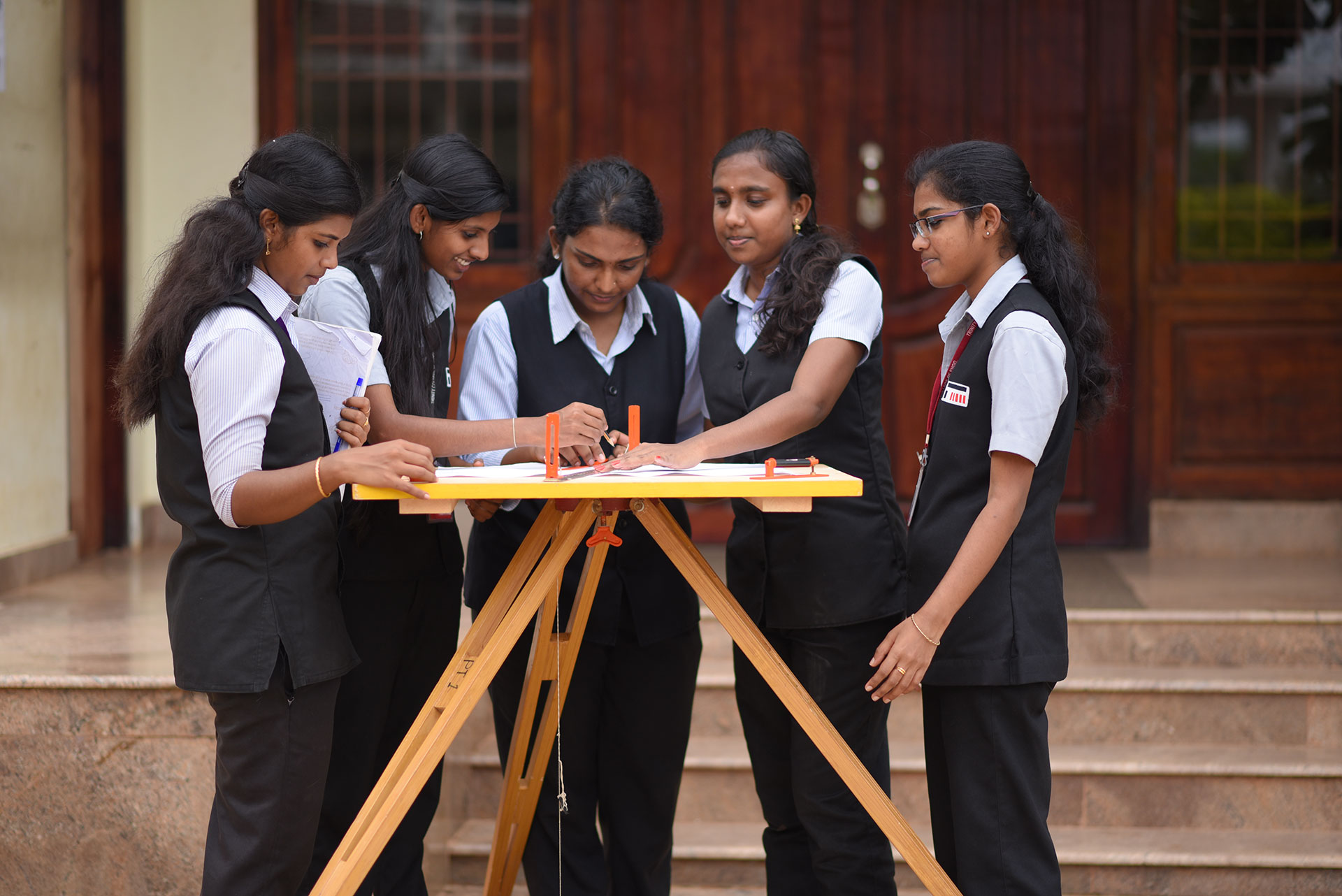
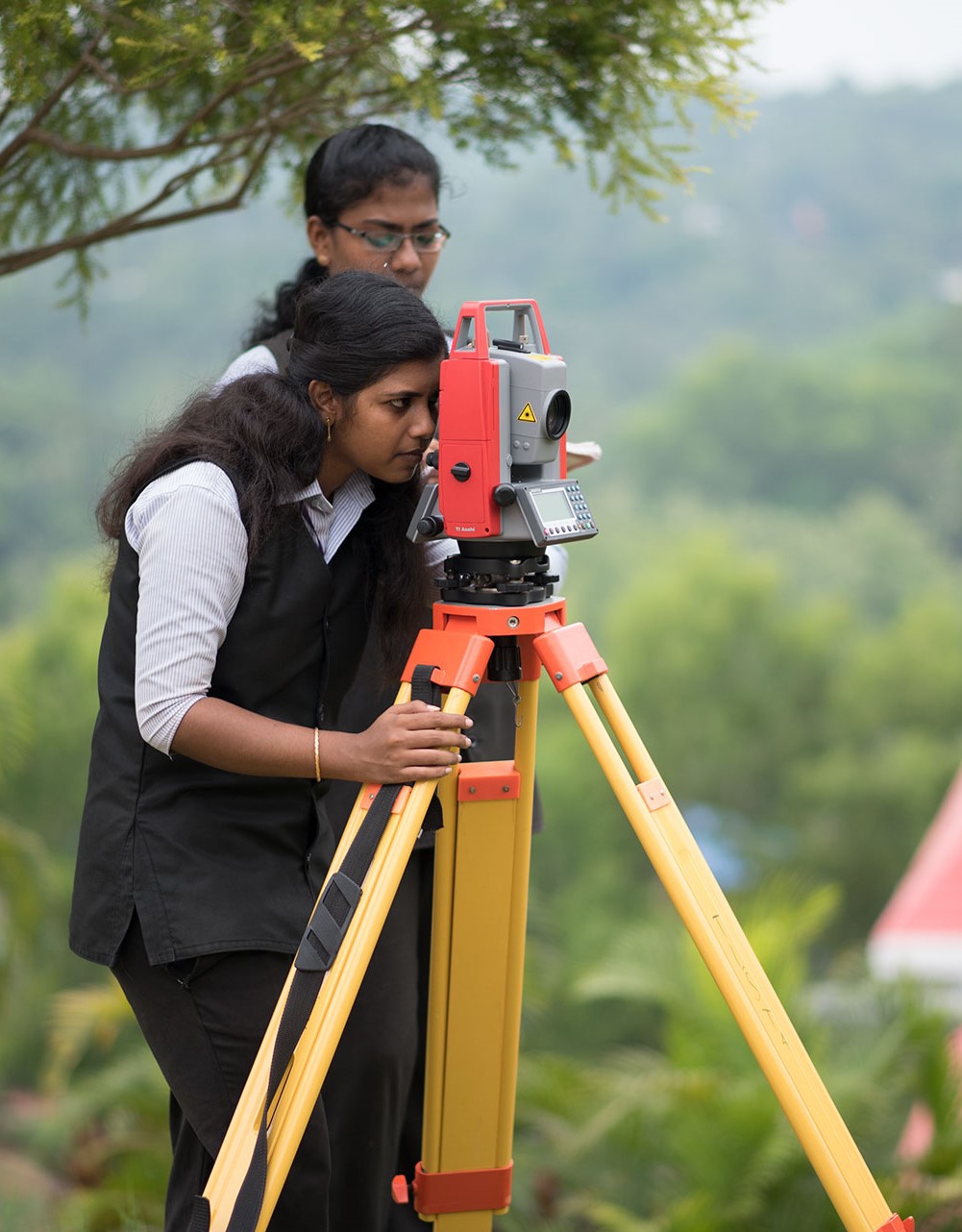
The Survey Lab equips students with the technical proficiency required to measure, map, and analyze the physical features of the Earth’s surface. Using high-precision instruments such as total stations, theodolites, and auto-levels, learners practice land measurement, contouring, and setting out curves for infrastructure development. This field-oriented experience is crucial for preparing accurate site plans and ensuring that engineering designs are correctly translated onto the physical landscape.
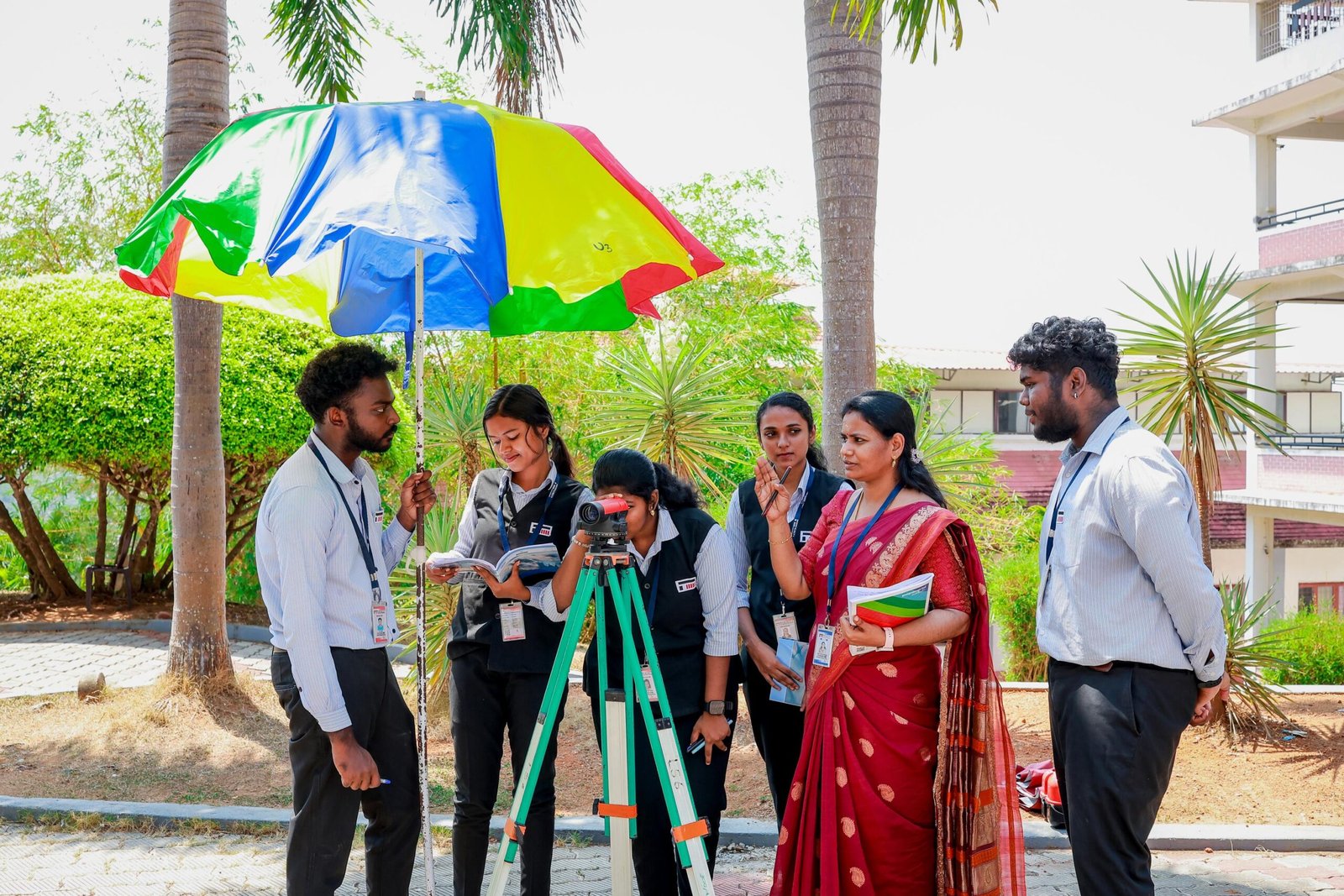
Survey Lab
The Basic Mechanical Workshop introduces students to the fundamental manufacturing processes and hand tools used in engineering practice. Through hands-on exercises in carpentry, smithy, foundry, and fitting, students learn to transform raw materials into finished components while adhering to strict safety protocols and measurement accuracy. This foundation is essential for understanding the physical effort and precision required in mechanical fabrication.
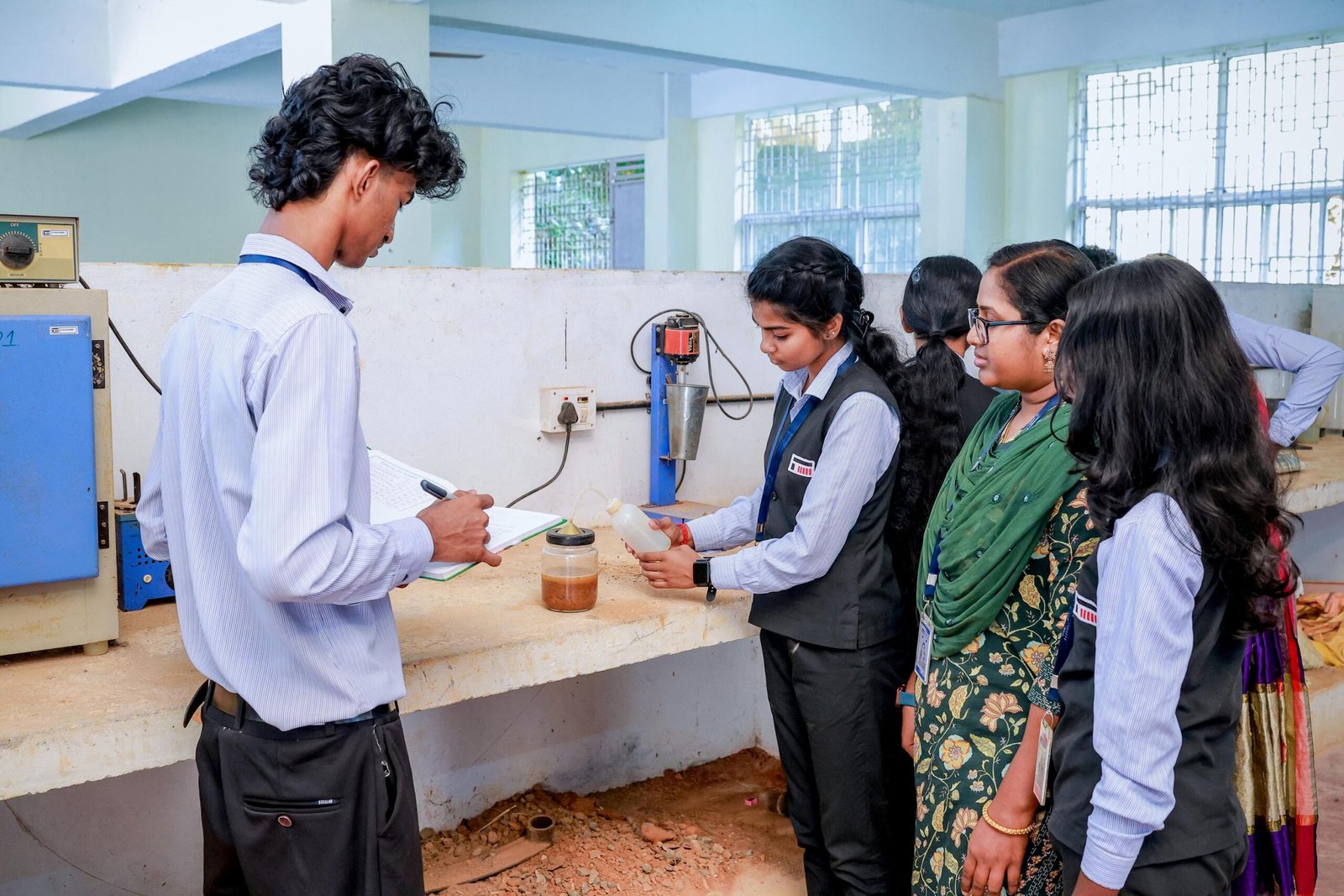
Transportation Lab
In the Transportation Lab, students investigate the materials and design principles that form the backbone of modern road and pavement infrastructure. The lab focuses on the testing of bitumen, asphalt, and subgrade soil to evaluate their suitability for various traffic loads and climatic conditions. By analyzing parameters such as penetration, softening points, and aggregate impact values, students develop the expertise needed to design safe, durable, and sustainable transportation networks.
Frequently Asked Questions (FAQ)
What are the admission requirements for Unipix University?
Admission requirements vary by program. Please refer to the Admissions section on our website for detailed information or contact the Admissions Office for assistance.
How do I apply for financial aid?
Admission requirements vary by program. Please refer to the Admissions section on our website for detailed information or contact the Admissions Office for assistance.
How do I contact Trinity?
Admission requirements vary by program. Please refer to the Admissions section on our website for detailed information or contact the Admissions Office for assistance.
Are online courses available?
Admission requirements vary by program. Please refer to the Admissions section on our website for detailed information or contact the Admissions Office for assistance.
CE at a Glance
Contact Information
Phone :-
+91 8606979701
Email :-
Contact Information
Phone :-
+91 8606979701
Email :-
Contact Information
Phone :-
+91 8606979701
Email :-
Student Testimonials
“Faculty members genuinely care about student growth.” From academic guidance to career mentoring, the professors were always approachable. The encouragement I received here played a huge role in shaping my confidence and leadership skills.
Sneha Reddy
Batch of 2022“Excellent placement support and training.” The placement cell provided regular training sessions, mock interviews, and resume guidance. I was able to secure a core engineering role even before graduation.
Priya Nair
Batch of 2023“The college gave me much more than just a degree.” The hands-on labs, industry-oriented curriculum, and supportive faculty helped me build strong technical and problem-solving skills. I felt confident stepping into my first job as an engineer.
Arjun Kumar
Batch of 2023“A perfect blend of academics and practical exposure.” Workshops, internships, and technical clubs helped me apply classroom knowledge to real-world problems. The campus environment motivated me to constantly improve myself.