
Electronics & Communication Engineering
Where Innovation Meets Communication
Electronics and Communication Engineering powers the technologies that connect the world. From intelligent electronic systems to advanced communication networks, the discipline blends innovation with practical engineering to shape the future of digital connectivity.
About the Program
Electronics and Communication Engineering plays a vital role in shaping the modern digital world, supporting technologies such as mobile communication, satellite systems, wireless networks, broadcasting, and smart electronic devices. The rapid growth of information and communication technologies has created a strong demand for skilled engineers capable of designing, developing, and maintaining advanced electronic and communication systems.
The B.Tech program in Electronics and Communication Engineering provides a strong foundation in both theoretical concepts and practical applications. Students gain in-depth knowledge of fundamental subjects such as analog and digital electronics, electronic circuits, signals and systems, and communication engineering. The curriculum is designed to progressively build technical competence while encouraging analytical thinking, problem-solving skills, and innovation.
In addition to core subjects, the program covers specialized areas including optical communication, satellite and mobile communication, radar and television engineering, digital signal processing, microwave engineering, antenna and wave theory, and electromagnetic theory. Emerging technologies such as nano-electronics, artificial intelligence, robotics, aviation electronics, and embedded systems are also introduced to prepare students for future industry challenges.
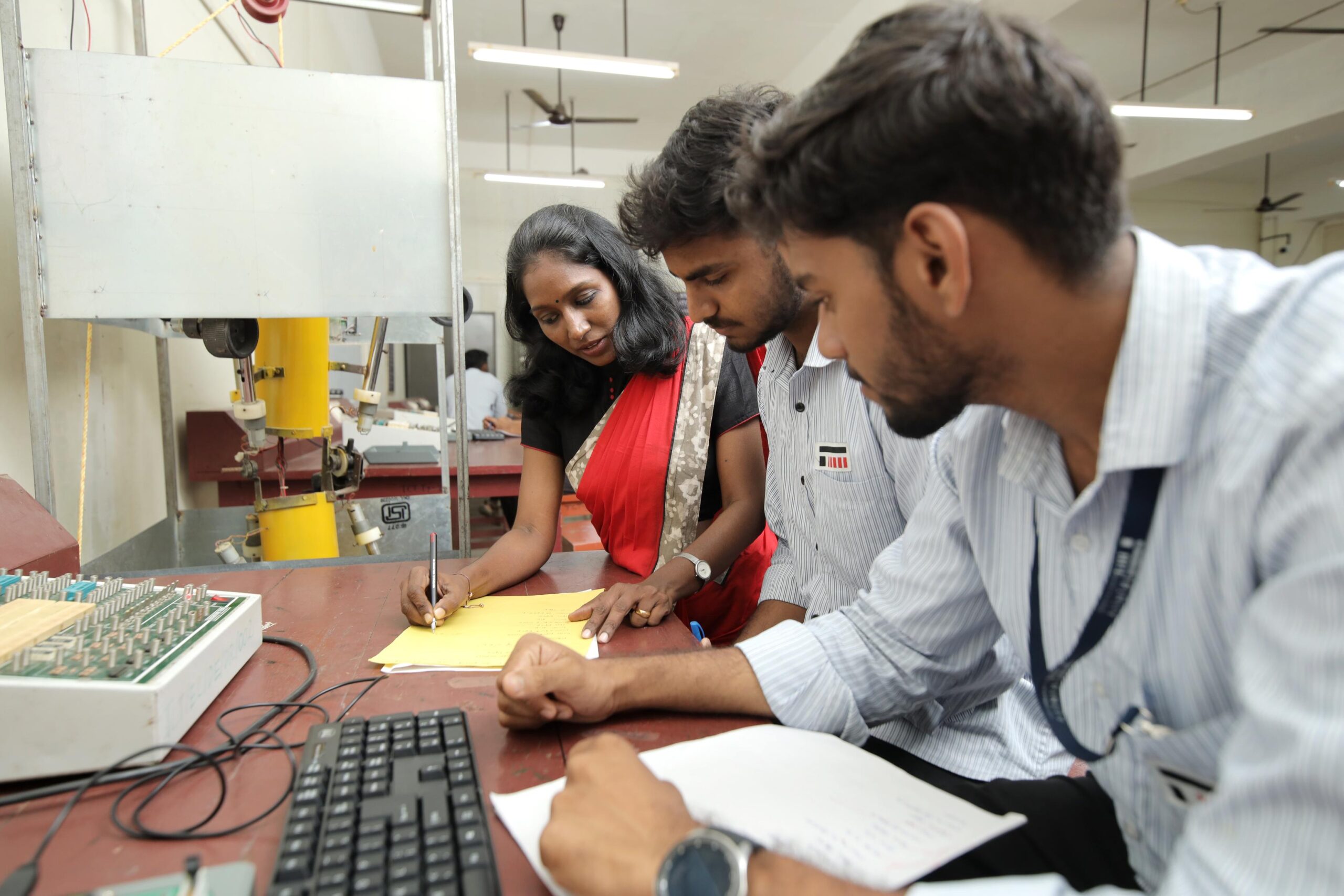
The program emphasizes hands-on learning through well-equipped laboratories, mini and major projects, internships, and industry-oriented training. This practical exposure enables students to bridge the gap between classroom learning and real-world applications. Graduates of the program are well prepared for careers in electronics, communication, IT, research and development, public sector organizations, and higher studies, making them industry-ready and globally competent professionals.
HOD's Message
“Electronics and Communication Engineering is at the heart of modern innovation. Our department provides a dynamic learning environment with strong theoretical foundations and practical expertise, shaping students into skilled engineers, innovators, and responsible professionals.”
Mrs. Amitha S
Head of the Department
Our Vision & Mission
Vision:
“To be a center of excellence in Electronics and Communication Engineering education, fostering innovation, research, and ethical practices, and producing globally competent engineers.”
Mission:
Provide high-quality education through a blend of theoretical knowledge and practical experience.
Encourage research, innovation, and entrepreneurship among students and faculty.
Promote ethical and socially responsible engineering practices.
Foster partnerships with industry and academia for holistic development of students.
Vision:
“To be a center of excellence in Electronics and Communication Engineering education, fostering innovation, research, and ethical practices, and producing globally competent engineers.”
Mission:
- Provide high-quality education through a blend of theoretical knowledge and practical experience.
- Encourage research, innovation, and entrepreneurship among students and faculty.
- Promote ethical and socially responsible engineering practices.
- Foster partnerships with industry and academia for holistic development of students.
Faculty & Technical Staff
The Department of Electronics & Communication Engineering boasts a team of highly qualified and experienced faculty members and technical staff committed to providing quality education and mentorship. Our team includes professors, associate professors, assistant professors, and lab technicians who specialize in various domains such as: VLSI Design & Embedded Systems, Communication Systems & Networks, Signal Processing & IoT, Microelectronics & Robotics
The faculty actively engages in research projects, publications, and industry collaborations, ensuring students receive contemporary knowledge and hands-on exposure.Our technical staff supports practical labs, maintains state-of-the-art equipment, and ensures a smooth learning experience for students in every laboratory session.Our technical staff supports practical labs, maintains state-of-the-art equipment, and ensures a smooth learning experience for students in every laboratory session.
Mrs. Amitha S
Assistant Professor
Mrs. Anu S Narayan
Department Staff
Mrs. Gayathri Rema Narayanan
Department Staff
Dr. Ashwin V H
Department Staff
Mr. Anu M L
Department Staff
Mrs. Aswathy S R
Department Staff
Mrs. Surya B R
Department Staff
Laboratories & Facilities
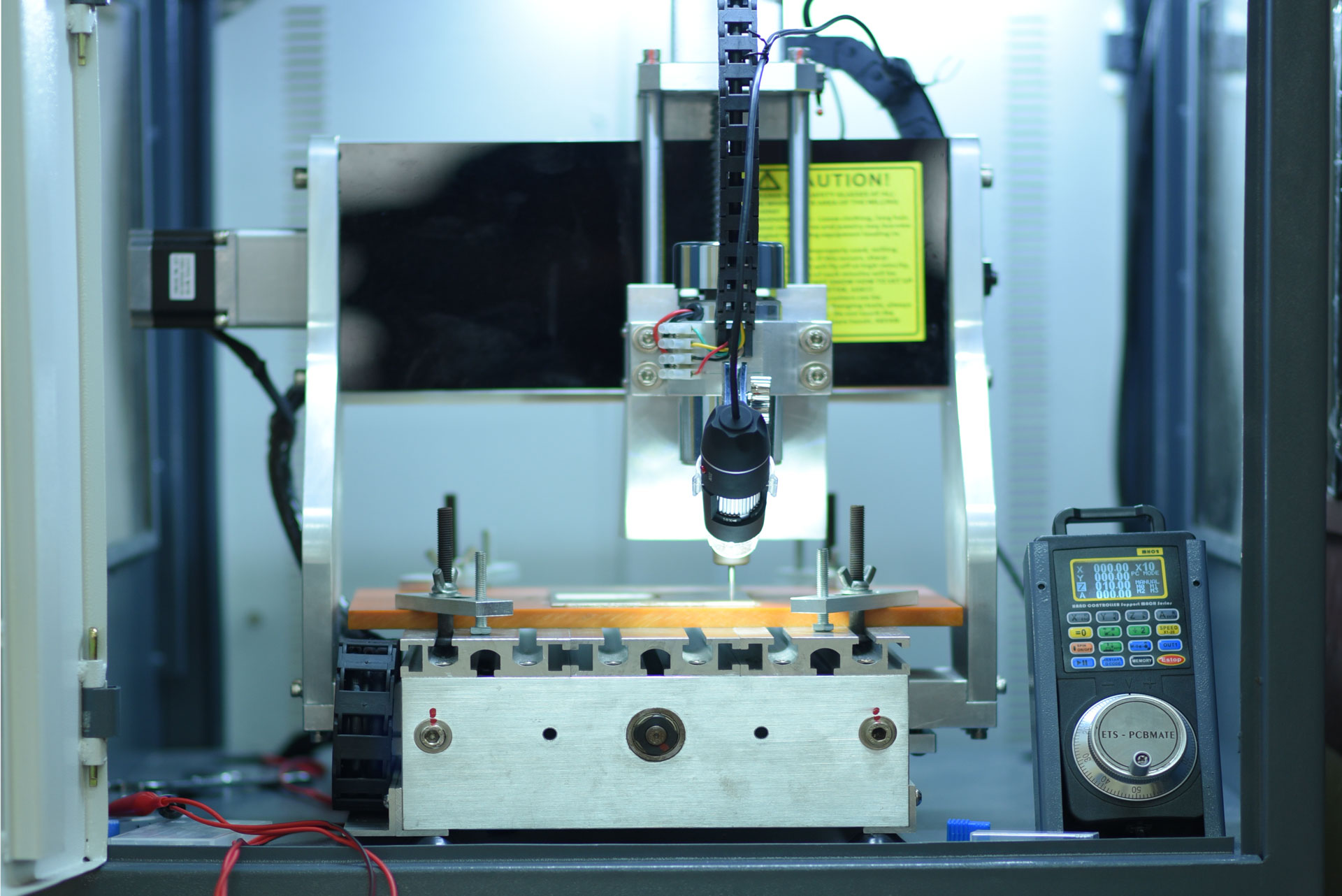
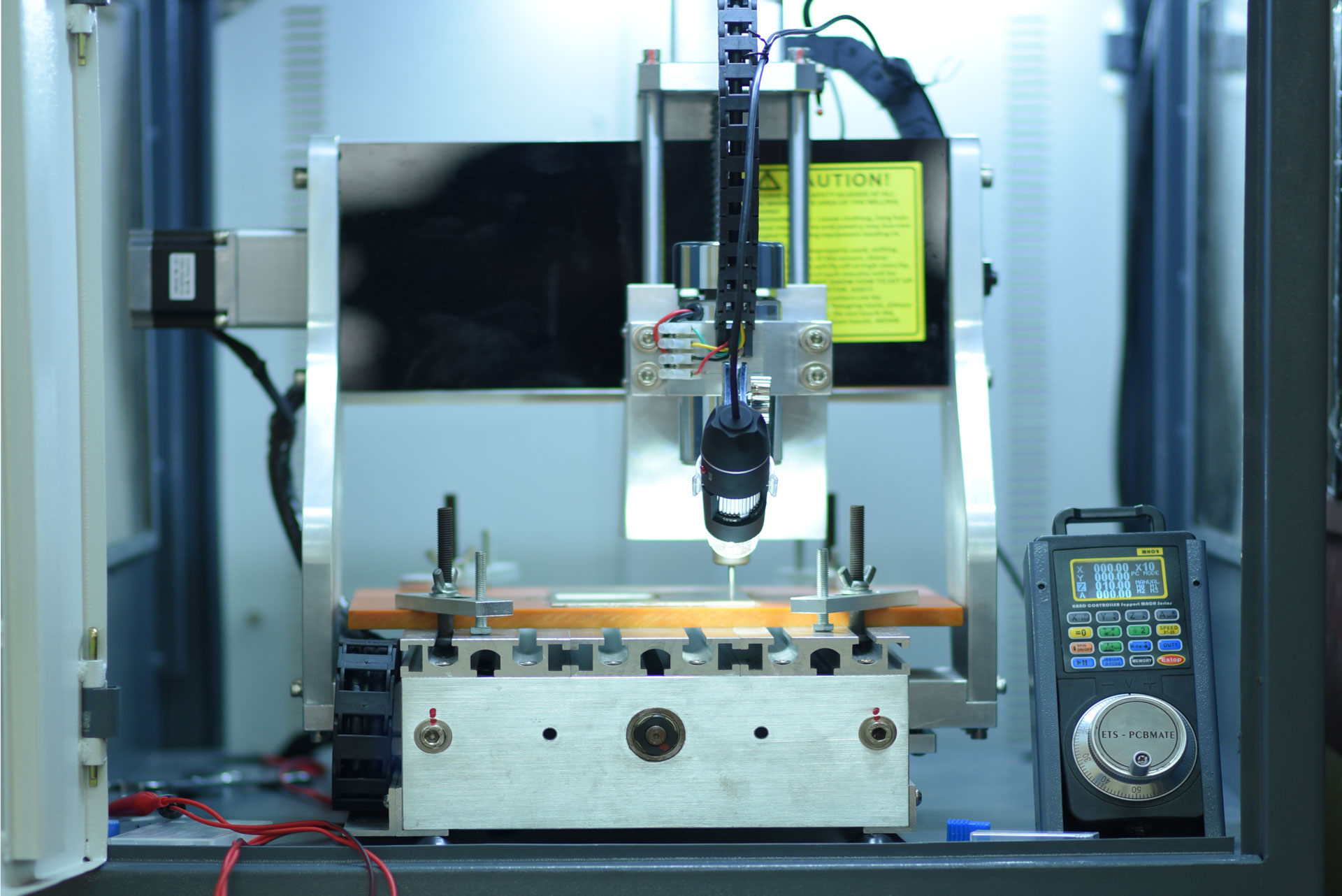
The ECE Department is equipped with modern laboratories and facilities to support learning, research, and innovation.
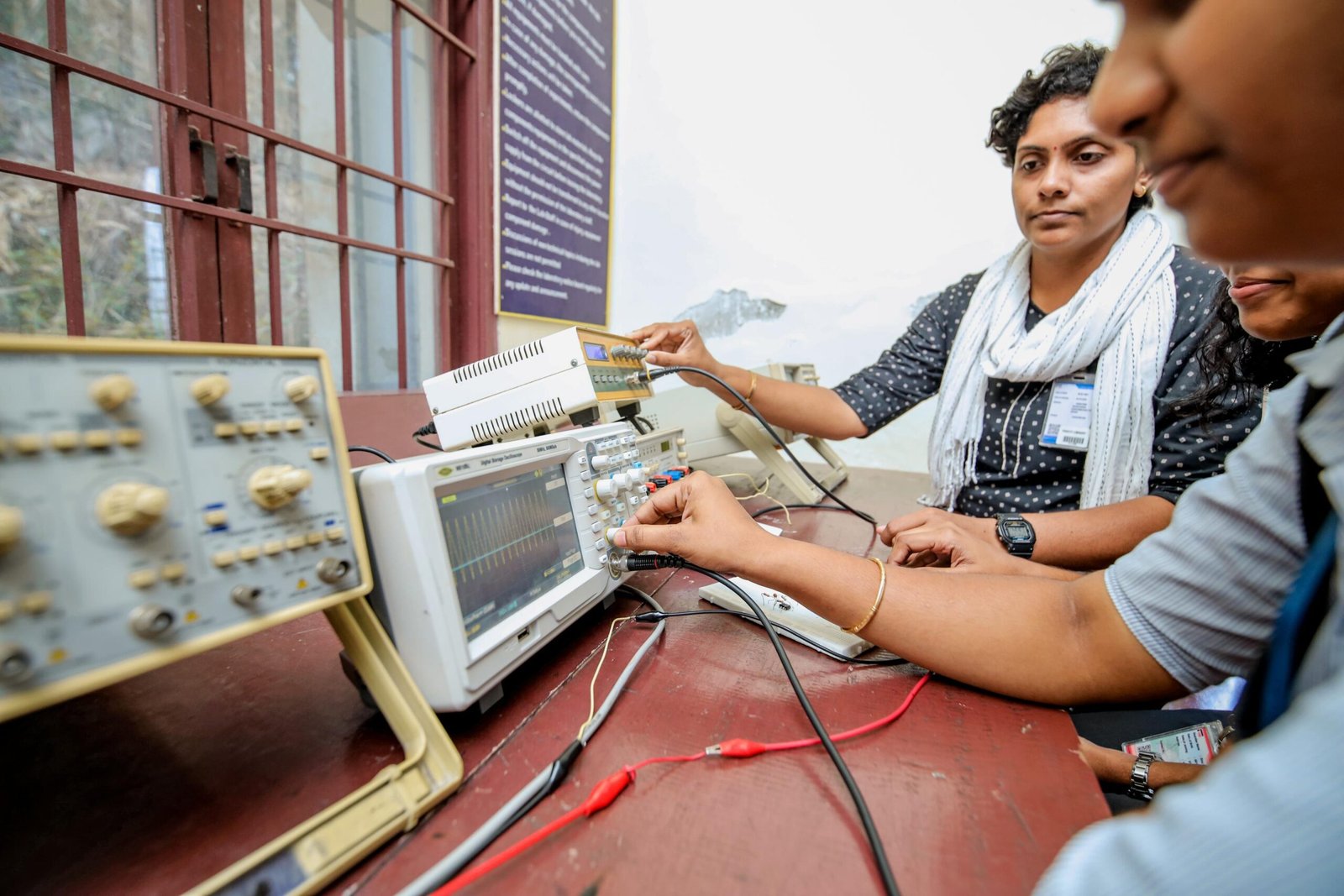
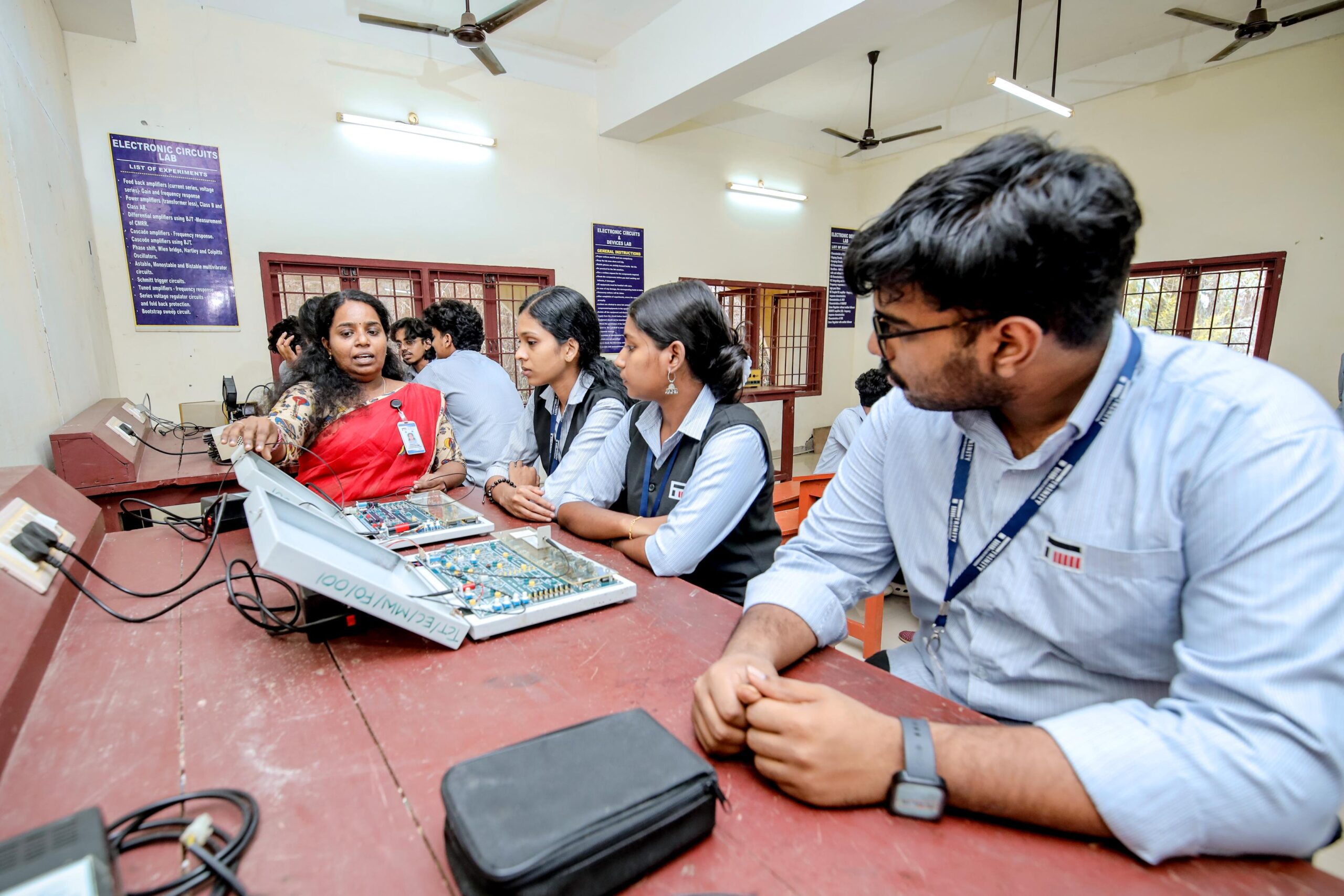
The Basic Electronics Lab provides hands-on experience with fundamental electronic components such as diodes, transistors, amplifiers, and rectifiers. Students learn to analyze and design basic electronic circuits through practical experiments. The lab strengthens understanding of analog electronics concepts and measurement techniques. It also develops problem-solving skills essential for advanced electronics applications.
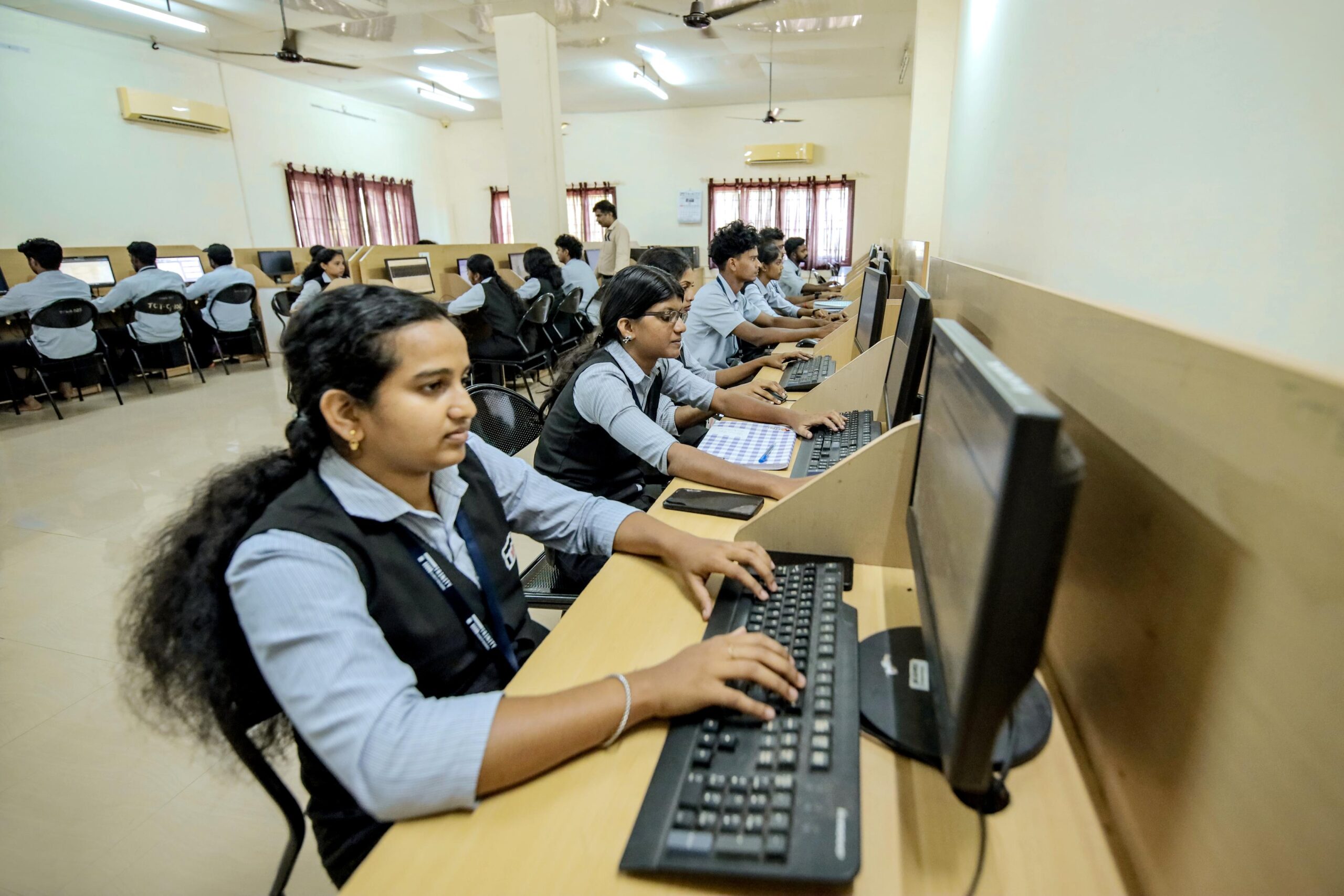
The Microprocessor Lab focuses on the architecture, programming, and interfacing of microprocessors. Students gain practical exposure to assembly language programming and hardware interfacing techniques. The lab helps in understanding real-time system operations and peripheral device control. It builds a strong foundation for embedded systems and advanced computing technologies.
The Analog Communication Lab introduces amplitude and frequency modulation techniques. Students perform experiments on transmitters and receivers. The lab helps understand noise, bandwidth, and signal distortion. It strengthens concepts used in real-world communication systems.
The VLSI Design Lab introduces CMOS logic and IC design principles. Students use simulation tools to design and test circuits. The lab emphasizes low-power and high-speed designs. It prepares students for semiconductor industry roles.
This lab demonstrates fiber optic communication principles and components. Students analyze losses, dispersion, and bandwidth. Experiments simulate real-world optical networks. It prepares students for high-speed communication technologies.
This lab focuses on microcontroller programming and hardware interfacing. Students develop real-time applications using sensors and peripherals. Practical sessions enhance system-level understanding. It lays the foundation for IoT and automation projects.
Frequently Asked Questions (FAQ)
What are the admission requirements for Unipix University?
Admission requirements vary by program. Please refer to the Admissions section on our website for detailed information or contact the Admissions Office for assistance.
How do I apply for financial aid?
Admission requirements vary by program. Please refer to the Admissions section on our website for detailed information or contact the Admissions Office for assistance.
How do I contact Trinity?
Admission requirements vary by program. Please refer to the Admissions section on our website for detailed information or contact the Admissions Office for assistance.
Are online courses available?
Admission requirements vary by program. Please refer to the Admissions section on our website for detailed information or contact the Admissions Office for assistance.
ECE at a Glance
Contact Information
Phone :-
+91 8606979701
Email :-
Contact Information
Phone :-
+91 8606979701
Email :-
Contact Information
Phone :-
+91 8606979701
Email :-
Student Testimonials
“Faculty members genuinely care about student growth.” From academic guidance to career mentoring, the professors were always approachable. The encouragement I received here played a huge role in shaping my confidence and leadership skills.
Sneha Reddy
Batch of 2022“Excellent placement support and training.” The placement cell provided regular training sessions, mock interviews, and resume guidance. I was able to secure a core engineering role even before graduation.
Priya Nair
Batch of 2023“The college gave me much more than just a degree.” The hands-on labs, industry-oriented curriculum, and supportive faculty helped me build strong technical and problem-solving skills. I felt confident stepping into my first job as an engineer.
Arjun Kumar
Batch of 2023“A perfect blend of academics and practical exposure.” Workshops, internships, and technical clubs helped me apply classroom knowledge to real-world problems. The campus environment motivated me to constantly improve myself.